

5 Digital Marketing Trends to Watch Out for in 2026: Insights from a Leading Digital Marketing Agency
Have any questions?
Just contact us below, our
team is always ready to help.
The digital marketing landscape is evolving faster than most brands can keep up. With new trends constantly emerging, it’s easy to get distracted by what’s new instead of what works.
At Bold x Collective, we highlight the trends that actually drive engagement, conversions, and business growth. As a trusted digital marketing agency in Toronto, New York, Miami and London and more, companies turn to us. We guide brands toward strategies that work—and away from the ones that don’t.
With over 15 years of experience, Bold x Collective has built a strategy-first approach that consistently delivers real results. We combine creativity, data, and proven methodologies to ensure every campaign drives measurable growth. As a global digital marketing agency, we help brands scale, innovate, and stay ahead in a rapidly changing digital landscape.
With that being said, here are the top digital marketing trends you should be focusing on in 2026.

Trend #1: Balancing AI-Generated Content with Authenticity
In 2026, AI has become a standard tool in content marketing, helping brands brainstorm ideas and create visuals faster than ever. But while AI can be very useful and efficient for creating content, consumers are increasingly craving authenticity. They want content that feels human and relatable, not mass-produced and robotic.
This is where collaboration between marketers and AI becomes essential. At top full-service marketing agencies like Bold x Collective, we use AI to enhance human creativity, not replace it. Brands that successfully merge AI capabilities with human authenticity can maintain engagement, build trust, and stand out in a crowded digital landscape. In other words, AI can be a powerful tool, but authenticity remains the ultimate differentiator in marketing.
The most successful brands in 2026 are not those that rely solely on AI for content creation; they are the ones that strategically combine AI efficiency with human creativity to deliver content that connects, inspires, and drives real engagement. By embracing this balance, brands can create campaigns that scale without sacrificing the emotional connection that builds loyalty and long-term growth.
Take Nike, for example. Nike is known for its authentic campaigns and marketing, particularly athlete storytelling and motivational short videos. While these marketing efforts feel deeply human, the brand still relies on AI for data insights, personalization, idea generation, and more. This balance allows Nike to maintain genuine relationships and emotional connections with consumers while still leveraging AI usage to support internal marketing efforts.
Trend #2: UGC for Increasing Brand Awareness (but with Micro-Influencers)
In 2026, user-generated content (UGC) has reached an all-time high, with nearly every brand leveraging influencers to increase reach and awareness. But one thing is clear: people trust people, not brands. Authentic voices carry far more weight than corporate messaging, and audiences are quick to spot content that feels staged or overly promotional.
This is why micro-influencers are becoming a secret strategy for brands. Unlike most big influencers or celebrities, micro-influencers have more genuine, authentic connections with their audiences, which means greater trust and higher engagement rates. Their smaller, highly targeted followings allow them to interact personally with followers, answer questions, and participate in conversations in ways that bigger influencers often cannot. Because of this closer connection, micro-influencers' content feels more organic, relatable, and trustworthy, not overly polished or paid, which makes it far more persuasive than that of any big influencer.
Brands that collaborate with micro-influencers and integrate their content across social media platforms, email campaigns, and websites can achieve a more meaningful, lasting connection with their audience. They can create campaigns where the content doesn’t just promote products, it tells stories, showcases real-life experiences, and reflects the values of both the influencer and the brand. This approach encourages audiences to engage, share, and even generate their own content in response, further amplifying reach organically.
SKIMS is one of the leading brands in UGC and in working with small creators. By combining organic UGC—such as try-on hauls, reviews, and “real body” content—with paid creator partnerships, the brand effectively maximizes awareness. SKIMS leverages micro-influencers to build strong trust, relatability, and authenticity with its audience.
Trend #3: Short-Form Video Still Dominates Attention
Over the past few years, short-form videos like Instagram Reels and TikTok have proven to be among the most effective ways to capture and retain viewers’ attention. These quick, visually engaging formats allow brands to communicate messages in seconds while keeping audiences entertained and informed.
In 2026, short-form video is not just a trend; it’s a core part of most brands’ digital marketing strategies. Platforms prioritize these formats in their algorithms, meaning content that is engaging, authentic, and optimized for short attention spans can achieve massive organic reach. This also allows smaller brands to compete with larger ones without massive ad budgets.
Brands that invest in short-form video strategies, especially those that combine AI tools for editing and analytics with human creativity, can dramatically improve engagement, social shares, and conversions. Duolingo is a strong example of a brand that maximizes audience engagement through short-form video content. Known for its humour and distinct personality, it has built a reputation as one of the most entertaining and recognizable brands on social media.
Trend #4: Hyper-Personalization Is Enhancing User Experience
Hyper-personalization has evolved from being a “nice-to-have” to an essential expectation for consumers in 2026. Audiences now demand experiences that feel tailored to their interests, behaviour, and preferences. Digital marketing agencies are using AI, machine learning, and advanced analytics to deliver content, offers, and experiences that feel one-on-one, even at scale.
The benefits of hyper-personalization are clear: it increases engagement, builds trust, and drives loyalty because users feel understood and valued. Brands that fail to personalize effectively risk losing attention to competitors who meet these higher expectations.
For marketers, the challenge is balancing personalization with privacy. Using first-party data responsibly and transparently not only improves compliance but also builds consumer trust, creating a win-win scenario for both the brand and the audience.
Let's look at Netflix. Netflix has been using hyper-personalization for years in order to give individuals recommendations tailored to their interests. This ensures consumers have a user-friendly experience and that Netflix delivers the right content to the right person, at the right moment, in a way that feels natural, not intrusive.
Trend #5: Social Search & Social SEO
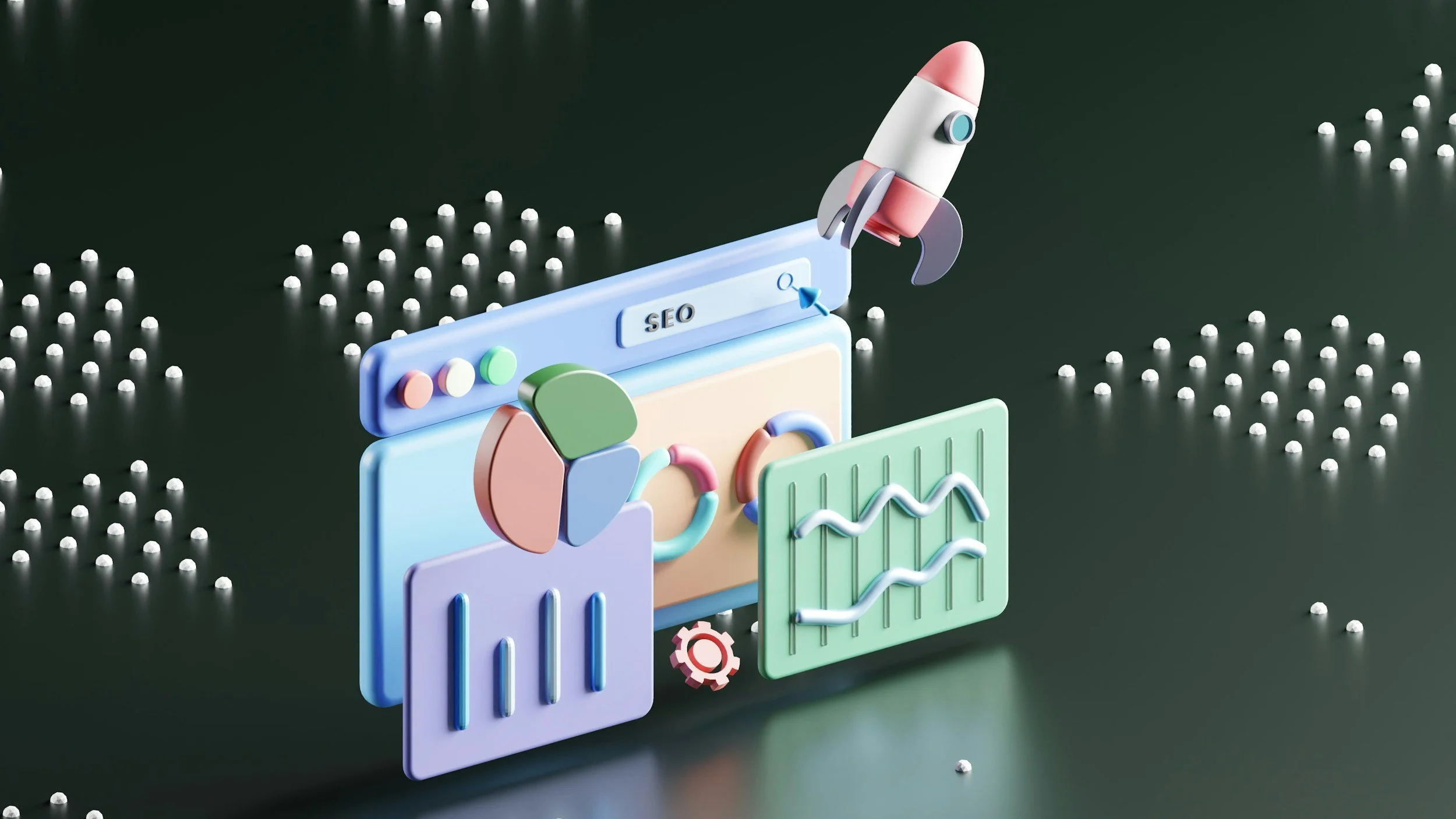
In 2026, social media platforms are no longer just for sharing content; they are now becoming primary search engines for consumers. Platforms like Instagram, TikTok, and even Pinterest are major discovery platforms where consumers go to find trends, search for products and services, compare products, and sometimes even make purchases. People are increasingly turning to these platforms first because they offer visual, engaging, and immediate results, often faster and more inspiring than traditional web searches.
This has introduced a new type of SEO, called “Social SEO,” in which visibility depends on how well content is optimized for discovery on these platforms. Unlike traditional SEO, which focuses on Google rankings, Social SEO requires brands to consider how algorithms surface content based on engagement, relevance, and search-friendly elements such as captions, hashtags, and metadata. Optimizing for Social SEO means creating content that is not only high-quality and informative but also structured in a way that the platform’s search engine can easily index, categorize, and recommend to the right audience.
Brands and marketing agencies should leverage this trend by optimizing keywords in captions, hashtags, videos, and images to maximize visibility. For example, a small business selling eco-friendly home goods could use specific searchable phrases in Instagram captions, pair them with trending hashtags, and encourage user-generated content that tags the brand, helping its content appear in discovery feeds and search results organically. Similarly, TikTok creators who optimize video titles, captions, and on-screen text with searchable keywords can increase the likelihood that their content is recommended on the “For You” page, reaching audiences far beyond their followers.
Ready to Apply These Trends for Real Growth in 2026?
Staying ahead means not just knowing the trends but understanding how to apply them strategically to drive engagement, conversions, and growth. At Bold x Collective, a leading digital marketing agency in Toronto, New York, Miami, London, and more, we help businesses navigate this fast-changing environment by combining creativity, data, and proven strategies to deliver measurable results. By focusing on the trends that truly matter, your brand can not only keep up but stand out in a crowded digital world. Remember brands, be bold and truly stand out this year!